CCTV Camera Engineer
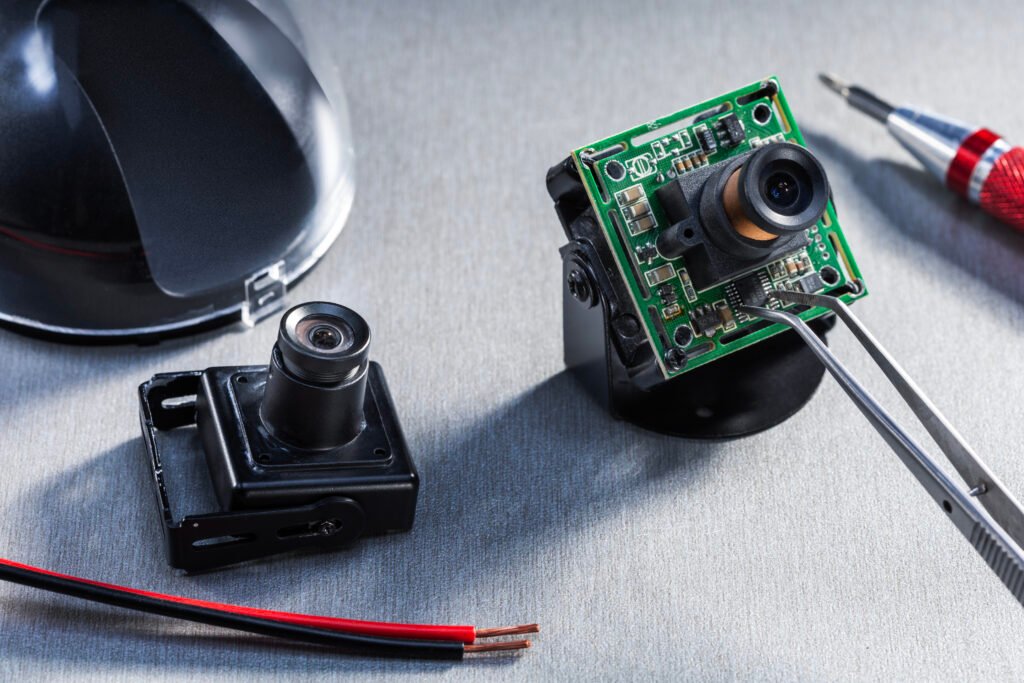
Introduction to the CCTV Engineer Role
A cctv camera engineer plays a key role in protecting homes, businesses, and commercial sites across the UK. As technology evolves, so does the work involved, making this a career full of long-term opportunity, varied day-to-day tasks, and strong earning potential. Whether you’re considering entering the fire and security industry or thinking about progressing your skills, this guide takes a detailed look at the job, the training involved, and why demand for engineers continues to rise.
What CCTV Cameras Are Used For Today
Modern cctv cameras go far beyond basic recording. From advanced analytics to AI-driven alerts, they have become central to safety, efficiency, and site management. Engineers who understand these cctv systems are in a strong position because customers rely heavily on professional advice and reliable installation.
Understanding CCTV Systems
A lot of work centres around complete cctv systems, including NVR setups, cloud platforms, and integrated solutions that link with access control or intruder alarms. Knowing how these cctv security systems work together is what separates good engineers from excellent ones.
Working With a CCTV Camera System
Every cctv camera system has its own requirements. Resolution, field of view, cable runs, storage format, and remote access all matter. Engineers are trained to match the right equipment to the right environment.
What CCTV Installation Involves
A large part of the role with cctv engineer jobs is cctv installation – planning, mounting, configuring, and testing. The best engineers are those who carry out work efficiently and safely while ensuring the customer understands how to use the system.
The Role of CCTV Installers
Professional cctv installers are in growing demand because businesses want more than a quick fit. They want systems that are reliable, scalable, and compliant with industry standards. This is where professional installation and technical expertise makes a real difference.
How Alarm Systems Fit Into the Job
Although the role focuses on cameras, many engineers also work with alarm systems, especially when projects include intruder alarms or integrated monitoring platforms.
Access Control and CCTV Work
Experience with access control can massively enhance career prospects. Many companies now expect multi-skilled engineers who can install both door entry and CCTV solutions.
Becoming a CCTV Engineer
A cctv engineer blends practical hands-on work with problem-solving, customer service, and technology. Anyone with a background in electrical, telecoms, IT networks, or security can transition into this field.
Working With CCTV Companies
Most engineers work for specialist cctv companies, fire and security employers, or as subcontractors. These businesses offer structured training, progression routes, and exposure to a wide range of systems.
Inside the Camera System Setup
Understanding each camera system helps engineers diagnose faults, plan installations, and recommend upgrades. Experience with different brands makes a big difference when moving roles.
The Benefits of Becoming a CCTV Engineer
There are clear benefits to working in this space, including stable demand, good salaries, varied tasks, and strong progression. Engineers often enjoy travelling to sites, working with equipment, and seeing the immediate impact of their work.
How Training Shapes Your Career
Ongoing training is essential. The industry changes fast, and engineers who invest in new skills are the ones who step into senior roles, commissioning positions, or project work.
What a Site Survey Involves
A site survey is the first step before a new installation. Being able to assess risk, lighting, camera placement, and cable routes sets you apart professionally.
Working With Businesses Across the UK
Engineers support businesses of all sizes, from small shops to large commercial sites. Most roles involve travel, especially in and around major areas such as London and the South East.
The Growing Demand for CCTV Skills
There is a growing demand for engineers who can install, maintain, and commission systems. Security continues to be a priority for homeowners and companies alike.
Understanding Installation Work
General installation experience helps across all fire and security systems. Whether wiring, mounting, or configuring, accuracy is key to a long-lasting system.
Why Security Matters
The wider security industry is expanding rapidly, driven by new technology and customer expectations. Skilled engineers are central to this.
How Engineers Get Started Installing
Many professionals started installing basic analogue systems, then progressed to IP and integrated solutions. The learning curve is steady, making it suitable for junior engineers.
Fault Finding and Diagnostics
Engineers who excel at fault finding quickly become invaluable. Customers rely on fast, accurate diagnosis, especially on commercial contracts.
What Technical Expertise Looks Like
Real technical expertise includes knowledge of networking, PoE switches, storage, cabling, firmware, and analytics. The more you understand security in various settings , the more valuable your skill set becomes.
Carrying Out a Full Installation
A full installation typically includes planning, equipment selection, mounting, power, configuration, and handover. Engineers confident in the whole process progress faster.
How Remote Access Changes CCTV
Adding remote access is now standard, giving customers complete control via their phone. Engineers need to set up secure connectivity and explain features clearly.
Working With DVR and NVR Equipment
Most projects involve configuring dvr or NVR systems, choosing storage, managing networks, and ensuring smooth playback.
Property Types You May Work On
Engineers work in every type of property, from homes to large industrial sites. This variety is one of the main attractions of the job.
Carrying Out Maintenance and Repairs
Ongoing maintenance and repairs keep systems reliable. Planned servicing is often part of commercial contracts.
Understanding Installation for Installers
Professional installers are expected to deliver work to a high standard. Good work leads to referrals, repeat projects, and progression.
The Role of the Engineer Day to Day
As an engineer, you’ll install cameras, pull cables, configure networks, test equipment, and support customers. No two days are the same.
Working With Surveillance Technology
Modern surveillance solutions range from basic systems to smart analytics. The more you learn, the more advanced the projects become.
How Knowledge Supports Progression
Solid knowledge of equipment, standards, and installation practices is what opens doors to senior roles, project management, commissioning, and integration work.
How Cost Affects Customer Decisions
Engineers regularly advise on cost, including considerations for monitoring helping customers choose the right system without overspending.
CCTV Work in London
The demand in London is consistently high, with engineers able to secure strong pay and regular project work.
Why Location Matters
Your location can affect progression, travel, and available jobs. Areas with high commercial density offer more work.
The Difference Between Permanent and Subcontract Work
Both options have value. Subcontracting offers flexibility and higher day rates, while permanent roles offer stability and benefits. Most engineers try both at different points in their career.
Contact and Career Support
If you’re exploring your next step, the best approach is to contact a specialist recruiter like CSR who understands the fire and security industry, the supply of engineers, and can point you towards roles suited to your experience and ambitions.
Every Job is Easier if You Have the Right Tools