Fire Alarm Design Jobs
Introduction
Fire alarm design jobs sit at the technical and professional core of the fire and security industry. While installation and maintenance roles are often more visible, it is the design function that shapes how fire alarm systems actually perform in the real world. From early planning through to compliance sign-off, designers play a crucial role in protecting people, property and businesses across the UK.
This article focuses on the design side of fire alarm systems, the roles involved, where demand is strongest, and how permanent and contract opportunities compare.
Understanding Fire Alarm Design Jobs
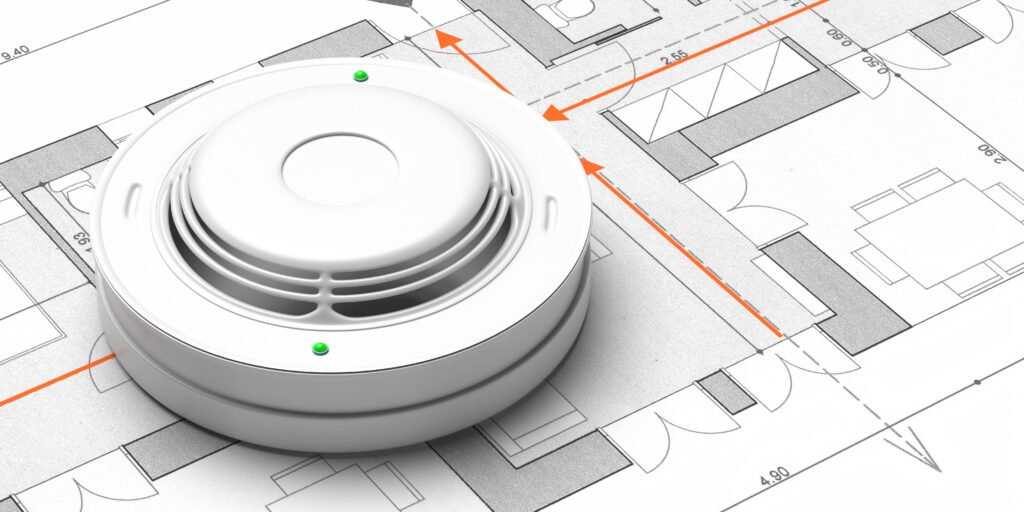
Fire alarm design jobs focus on the planning, specification and layout of fire alarm systems before any installation work begins. Designers interpret standards, assess risk, and translate building layouts into compliant, workable systems. It is a role that demands technical knowledge, attention to detail, and the ability to collaborate with clients, manufacturers and internal teams.
The Fire Alarm Designer Role Explained
Key Responsibilities In Fire Alarm Design
Key responsibilities typically include:
- Designing fire alarm systems in line with British Standards
- Producing drawings, specifications and documentation
- Attending site meetings with clients and contractors
- Supporting installation teams on site when queries arise
This mix of desk-based planning and real-world involvement is what makes the role both complex and professionally rewarding.
Fire Systems And The Wider Security Environment
Fire systems rarely operate in isolation. Designers often work alongside professionals responsible for security systems, access control and other life-safety solutions. Understanding how different systems interact is increasingly essential, particularly in larger or more complex buildings.
Fire Alarm Compliance And Safety Standards
Compliance sits at the heart of fire alarm design jobs. Designers must ensure systems meet current safety regulations, client expectations and manufacturer guidance. A professional designer is responsible for delivering solutions that protect customers while standing up to audits and inspections.
Skills Needed To Succeed As A Designer
Strong technical skills are essential, but so is the ability to communicate clearly. Designers must explain decisions to clients, contribute to planning discussions, and support teams throughout the project lifecycle. The ability to manage detail while keeping the bigger picture in mind is what separates good designers from great ones.
Full-Time Opportunities In Fire Alarm Design
Full time fire alarm design roles are ideal for those seeking stability, structured development and long-term progression. These positions often come with clear career paths, training support and the chance to grow into senior or managerial roles within a company.
Contract Fire Alarm Design Jobs
Contract and freelance roles are increasingly common, particularly in busy regions. Contract fire alarm design jobs offer flexibility, exposure to varied projects and the ability to work with multiple clients. They suit experienced designers confident in delivering results with minimal supervision.
Permanent Vs Contract Design Roles
Permanent roles tend to offer long-term development and team integration, while contract positions provide variety and often higher day rates. Choosing between the two depends on personal preference, career stage and lifestyle priorities.
Fire Alarm Design Jobs In London
London continues to dominate demand for fire alarm design jobs. Large commercial developments, refurbishments and mixed-use projects mean designers with London experience are highly sought after. Salaries and contract rates often reflect this demand.
Other Strong Areas Across The UK
While London leads, other parts of the UK also offer excellent opportunities. Major cities and regional hubs continue to invest heavily in fire and security infrastructure, creating steady demand for skilled designers.
Working With Manufacturers And Systems
Designers frequently liaise with manufacturers to ensure selected systems are appropriate for each project. Understanding product ranges, innovation and system capabilities allows designers to deliver solutions that are both compliant and future-proof.
The Importance Of Site Involvement
Although much of the role is office-based, time on site remains essential. Visiting sites helps designers understand real-world challenges, support installation teams, and ensure designs are implemented as intended.
Fire Alarm Systems And Long-Term Maintenance
Good design directly impacts long-term maintenance. Well-planned fire alarm systems are easier to service, upgrade and manage, benefiting both the client and the company responsible for ongoing support.
Professional Development And Career Progression
Development opportunities are strong for those committed to the role. Designers can progress into senior design, project management, technical sales or consultancy positions. Continuous learning is essential in a world where standards, technology and expectations continue to evolve.
The Crucial Role Designers Play
Designers occupy a crucial role within the fire and security sector. Their work underpins safety, compliance and customer confidence. Without effective design, even the best installation teams cannot deliver reliable outcomes.
Fire Alarm Design Jobs And Teamwork
Design work is rarely done in isolation. Designers contribute to team discussions, support sales activity, and work closely with clients to deliver complex projects on time and on date.
Choosing The Right Company To Work With
The right company will value professionalism, invest in innovation, and support designers with the tools and backing they need. Whether full time or contract, alignment between designer and company is essential.
Finding Fire Alarm Design Jobs
Fire alarm jobs continue to grow as buildings become more complex and standards more demanding. Whether you are an experienced designer or looking to move into the role, opportunities exist across the UK in both permanent and contract markets.
Every Job is Easier if You Have the Right Tools