Fire Alarm vs CCTV vs Access Control – Which Specialism Suits You Best?
The fire and security industry is broad. Within it, engineers often reach a point where they have to decide whether to specialise – and if so, in what.
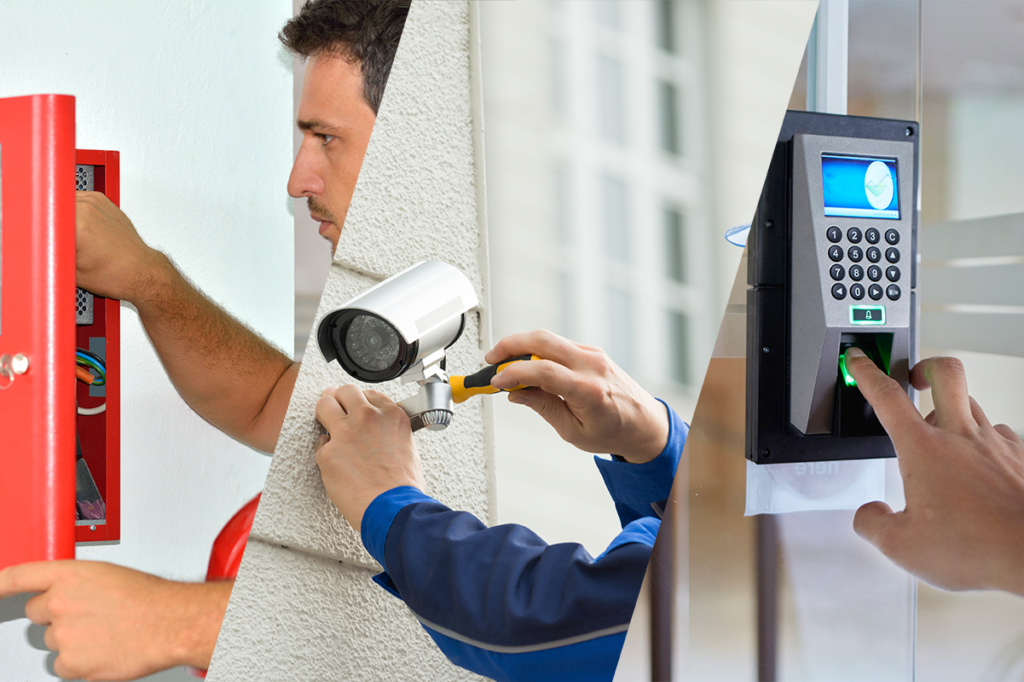
When people talk about fire alarm and electronic security specialisms, they usually mean three core routes:
- Fire alarm systems
- CCTV systems
- Access control systems
Each offers strong career prospects. Each demands slightly different strengths. And each can take your career in a different direction long term.
If you are weighing up your options, this guide will help you compare them properly – not just in terms of pay, but in workload, skills, progression and lifestyle.
Understanding Fire Alarm And Electronic Security Specialisms
Before comparing them individually, it helps to zoom out.
Fire alarm, CCTV and access control all sit under the umbrella of electronic life-safety and security systems. They often overlap on projects. Many engineers start as multi-skilled installers before gradually moving towards one discipline.
However, as projects become larger and systems more complex, true specialism becomes more valuable.
Choosing between these fire alarm and electronic security specialisms is less about which one is “better” and more about which one fits your personality, strengths and long-term goals.
Fire Alarm Engineering – Structured, Compliance-Driven And Safety Focused
Fire alarm engineering is built around life safety. The systems are governed by strict standards and regulations. Installation, commissioning and maintenance must follow detailed codes of practice.
What The Work Looks Like
- Installing and commissioning addressable fire alarm systems
- Servicing and fault-finding
- Working in commercial buildings, schools, hospitals and industrial sites
- Completing documentation and compliance certificates
Fire alarm work tends to be structured. There are defined standards. There is less design flexibility compared to security disciplines.
Who It Suits
Fire alarm often suits engineers who:
- Prefer methodical, rule-based environments
- Enjoy clear processes and defined outcomes
- Are comfortable with paperwork and compliance
There is strong long-term stability in this route. Demand remains consistent because compliance is non-negotiable.
If you are exploring broader progression options, it helps to understand how each discipline fits into the wider industry structure. Reviewing the bigger picture of career paths within the fire and security industry can clarify how fire systems, CCTV and access control each sit within long-term professional development.
CCTV Engineering – Technical, Network-Focused And Ever Evolving
CCTV has evolved massively over the past decade. Modern systems are IP-based, integrated and often linked to analytics platforms.
What The Work Looks Like
This is one of the biggest concerns engineers raise. The fear is becoming “too niche” and being stuck.
In reality, strong specialists usually remain flexible because:
- Core skills transfer across manufacturers and environments
- Regulations and principles stay consistent even as technology changes
- Employers value proven expertise over surface-level versatility
Who It Suits
CCTV often suits engineers who:
- Enjoy technology and software
- Are comfortable with networking concepts
- Like problem-solving in live environments
It can be fast-paced. Projects vary widely. Enterprise systems can become highly complex, especially in corporate or data centre environments.
Among fire alarm and electronic security specialisms, CCTV is typically the most tech-driven route.
Access Control – Precision, Logic And Integration
Access control sits somewhere between fire and CCTV in terms of character.
It is hardware-driven like fire systems, but also logic-based and integrated like CCTV.
What The Work Looks Like
- Installing door controllers and readers
- Programming access levels and user permissions
- Integrating with CCTV and intruder systems
- Working closely with facilities and IT teams
Access control projects often require careful attention to detail. Permissions, security levels and integrations must be set up correctly.
Who It Suits
Access control can suit engineers who:
- Think logically and methodically
- Enjoy configuration work
- Like working on systems that integrate multiple disciplines
It is often seen as one of the more technically respected fire alarm and electronic security specialisms because of its integration complexity.
Comparing Work Environment And Lifestyle
One thing engineers do not always consider is lifestyle.
Fire alarm service roles can involve reactive call-outs. Compliance deadlines can create pressure.
CCTV projects may involve larger commercial sites, sometimes requiring travel or long commissioning days.
Access control roles can mean closer collaboration with facilities managers and IT departments.
None of these routes are inherently better. The question is which type of pressure and environment you handle best.
Skills Required Across Each Specialism
Although they differ, there are shared foundations across fire alarm and electronic security specialisms:
- Strong electrical knowledge
- Fault-finding ability
- Customer communication skills
- Understanding of system integration
From there, the focus shifts:
- Fire alarm – regulatory knowledge and standards
- CCTV – networking and IP configuration
- Access control – logic programming and system architecture
If you are unsure which technical route aligns with your strengths, it can also help to understand how the current market values each skill set. Speaking with specialists in recruitment for the fire and security sector often provides a clearer picture of demand, salary positioning and where deeper specialism is rewarded.
Long-Term Progression Opportunities
Another important factor is where each route can take you.
Fire Alarm Progression
- Senior commissioning engineer
- Compliance manager
- Design roles
- Project management
CCTV Progression
- Systems engineer
- Technical support specialist
- Enterprise commissioning
- Integration consultancy
Access Control Progression
- Enterprise systems specialist
- Technical manager
- Design consultant
- Security integration lead
In reality, many engineers blend disciplines over time. However, starting with a clear focus often accelerates progression.
When looking at fire alarm and electronic security specialisms long term, integration knowledge becomes increasingly valuable.
Earning Potential Considerations
While salaries vary by region and experience, specialist engineers typically earn more than general installers.
Enterprise-level CCTV and access control knowledge can command premium rates. Fire alarm specialists with advanced commissioning expertise are also highly valued.
The key is depth of knowledge rather than surface-level familiarity with multiple systems.
Specialising within fire alarm and electronic security specialisms often leads to:
- Higher base salaries
- Greater job security
- Increased consultancy opportunities
- Stronger negotiating power
Personality Fit – The Often Ignored Factor
Technical ability matters. But personality fit matters just as much.
Ask yourself:
- Do I prefer structured regulation or technical freedom?
- Do I enjoy networking and IT-style configuration?
- Do I like compliance-driven work or integration-led projects?
- Do I want stability or constant technical evolution?
There is no right answer. There is only alignment.
Should You Stay Multi-Disciplined Or Specialise?
Some engineers remain multi-skilled across all three areas. That can be valuable, particularly in smaller businesses.
However, as systems grow more complex, deep expertise often outweighs broad knowledge.
If you are at a crossroads, exploring broader guidance around [fire alarm & electronic security specialisms] can help frame your next move.
If you are at a genuine crossroads, it helps to step back and review the broader landscape of electronic fire and security specialisms explained in more depth before committing to a direction. Seeing how the different disciplines connect within the wider industry can remove guesswork and help you choose a path with confidence.
Making An Informed Career Decision
Choosing between fire alarm, CCTV and access control is not about chasing trends. It is about understanding:
- The type of work you enjoy
- The pressure you handle best
- The long-term technical direction you want
- Where the industry demand is heading
All three fire alarm and electronic security specialisms offer stable, rewarding careers. The difference lies in how your skills and personality align with the discipline.
If you are unsure, the smartest move is often not jumping immediately – but having a structured conversation about where you are and where you could realistically go next.
The engineers who progress fastest are rarely there by accident. They understand their value, choose their direction deliberately, and build depth over time.
Every Job is Easier if You Have the Right Tools